How Dense Memory Foam Ear Pads Change the Fit
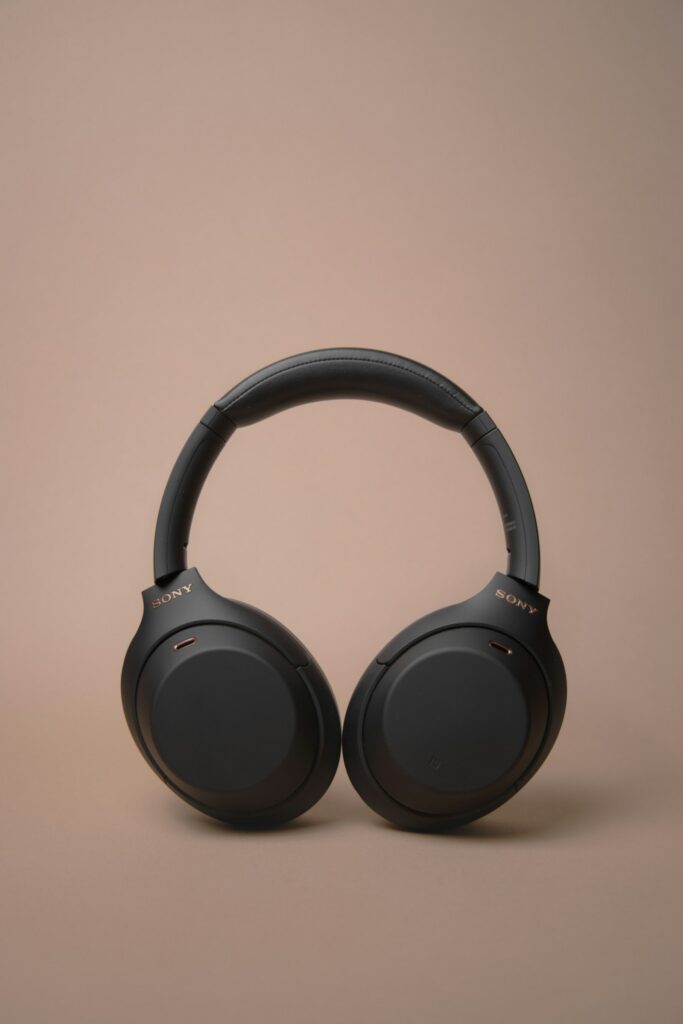
Dense memory foam pads cost more because they linger in the shape you just made. Skin heat and the clamp of the headband soften the fill, the cushion closes along the jaw, and the dent is still there for a few seconds after you set the headphones down. Ordinary foam is already round again while the cup is in your hand. That pause is what memory foam ear pads are selling. It helps when the foam is dense enough to keep a seal after it gives, and thick enough that your ear still clears the driver.
A cheaper listing can wear the same word. If it never mentions density, rebound, or thickness, you are looking at soft foam with new packaging.
What happens after the pad warms up
This foam reacts to warmth and pressure together. Straight off a cold desk it feels firmer. After it picks up heat from your skin, the wall yields along the jaw and behind the ear. That contour is what people mean by memory foam ear pads that mold to the shape of your head. The fill is holding the last shape pressed into it, for a short while.
You notice it where a stiff ring usually digs: the hinge of the jaw, the bone behind the ear, and the temple if you wear glasses. The headband still clamps as hard as it did. The pad yields, and the same force spreads across more skin.
Take the headphones off and watch the cushion. A memory fill stays creased, then creeps back toward round. If it snaps flat in the time it takes to turn the cup over, the foam you bought is the quick kind.
When regular foam is the one to order again
Quick foam keeps a steadier push against the head. The distance from your ear to the driver stays more constant from the first minute to the fortieth, which is part of why a pair can sound the same at both ends of an album. Plenty of headphones ship with that fill, and plenty of people prefer it once the seal is already good.
Memory foam ear pads instead of regular soft foam still change the session, even under an identical cover. By the end of a long call the new pad sits lower on your head. Bass often comes up a little, because a leak at the jaw has closed. The stage can feel nearer, because your ear moved. If you loved the old balance, a twin of the stock foam is the honest replacement.
Moving from thin regular foam to thick memory foam pads changes depth and rebound together. The headphone will sound different. Live with it for a few albums before you call that difference an improvement.
Density is the part worth paying for
Soft foam collapses under a firm headband, memory label included. It starts plush. Partway through a movie your ear is on the driver. High-density memory foam ear pads keep a tighter seal because the surface gives and the core still holds its height.
Ear-pad listings almost never print a density the way a mattress does. The words they do print are the spec:
- “Memory foam” by itself means the seller wanted the phrase
- “Slow rebound” or “viscoelastic” describes the pause after you lift the cup
- “Dense” or “high-density” is the claim that the core stays tall
- A thickness in millimeters tells you how far the driver will sit
| Listing language | What you can count on | What is still unknown |
|---|---|---|
| Memory foam | The comfort word is on the page | Rebound, density, and real thickness |
| Slow rebound or viscoelastic | The dent should linger | Whether the core is dense or just slow and weak |
| Dense or high-density memory foam | Meant to keep a seal after it settles | Thickness, and whether the ring fits your cup |
| Thick memory foam, density left out | More depth on day one | Whether it stays tall after an hour of clamp |
When two compatible memory foam ear pads sit at a similar price and only one says dense, that is the pad the extra money belongs to.
Thickness moves the driver, and the bass follows
A taller pad sets the speaker farther from your ear. On many closed headphones the treble gets a little less sharp and the bass comes up, from the seal and from that new distance together. On an open headphone a lot of air is already leaving the cup, so the same taller pad is mostly a comfort change, with a smaller shift in the low end.
Thick memory foam ear pads make sense when your ear touches the inside of the old cushion, or when a short ring leaves a gap at the jaw. They are a clumsy swap when the cover peeled and you liked the tuning. Thick memory foam replacement pads denser than stock foam feel deep, and they can sound like another headphone.
Stiff stock pads plus a strong clamp are the comfort case people actually describe. In July 2018, on Reddit, a DT 770 owner could not keep the headphones on for long because the pads were too hard for that clamp. They put on thick memory foam pleather cushions, almost twice the stock thickness, and described them as clouds around the ears. The seal improved, and the bass came up a little. The note was from the day the pads arrived, so the new sound was still a first impression. Another buyer of those same pads reported excellent comfort on a DT 770, and found a hybrid from that same maker comfortable on Fidelio X2s too.
Someone else in the thread was not sure they had the same cushion. Their pleather pads on a DT 770 and a DT 990 made the bass so heavy it bled into the mids, and the music lost detail. They preferred the stock pads. The memory foam label is a separate question from the cover, and the easier cushion is sometimes the one that moves the tuning you already liked.
A DT 770 still needs a DT 770 ring, however slow the foam is. Check Beyerdynamic pads against the cup in your hand before you compare fills.
Four months says more than the day a package arrives. In June 2018, someone who had worn Dekoni Elite Velour memory foam on an HD 650 for that long put the stock pads back on to compare. Stock felt more open, with bass they described as limiting. The memory foam had a richer low end and a closer stage. They put the memory foam back on for acoustic music and jazz, and called the pads a great investment. That was one open headphone and one pair of ears.
Ask for both numbers together. A dense slab that is too short never clears the ear. A tall slab of weak foam bottoms out, and you are on the driver again with extra heat around it. Compatible memory foam pads in the thickness and density you need are the ones that list both, close to the pad you measured.
Heat on a long evening at home
A seal that closes also holds warm air. Dense foam under protein leather or pleather is the warm combination, because very little air moves through the cover. In a September 2025 HyperX thread, someone looking at cloth pads for a Cloud 3 was told to skip the memory foam version of a cushion sold both ways. The person giving the advice had the softer, less dense fill, and said memory foam runs hot when only a thin cloth sits between it and the skin.
Dense memory foam ear pads for long sessions at home still make sense when a cup creeps, or when a stiff ring leaves a sore spot. The slow close is there so the pads hug your ears along the jaw. If the fit keeps slipping, memory foam ear pads are worth a look at that gap, and only after the ring locks to the cup. Heat shows up when that seal sits under a cover that barely breathes. Velour, or a more open cloth over the slower foam, is the compromise when heat is the complaint. Leatherette over dense memory foam isolates more, and it stays warmer.
If the ring does not lock to the cup, the cushion shifts even after the foam has settled.
What to check before you buy
Buy memory foam ear pads when you can name the behavior you want: a dent that lingers, contact along the jaw, and enough depth that the driver stays off your ear. Memory foam replacement pads that only repeat the word memory can stay in the cart.
Before you pay, line the listing up with the headphones on the desk:
- The mount matches, whether that is a clip ring, a slip-on sleeve, or a glue-on cushion
- Outer width and height are in the range of the cup you measured
- The inner opening clears your ear
- Thickness is stated, and it stays near stock unless you want the driver farther away
- The fill says dense, high-density, or slow rebound
- Both cups come as one pair
| What is going wrong | The fill that fits that problem |
|---|---|
| The cup rocks or leaks, and the old foam springs back at once | Dense memory foam, near the original thickness |
| Your ear rests on the driver | Thicker memory foam that stays tall under the clamp |
| The cover peeled and you liked the old sound | The same kind of foam you had, at a close thickness |
| Ears heat up inside a coated pad | A more open cover. Dense foam under leatherette stays warm |
| The cheap listing says memory and nothing else | A listing that names density and thickness |
Memory foam replacement ear pads are the right spend when the first two rows describe your pair. That is when it makes sense to swap thin foam for denser memory foam ear pads, and to leave the mount identical to the cup. If the pads you have already seal and your ear already clears the driver, a fresh pair in the same foam is enough. The cover can be tired without the fill getting more expensive.