
Thick Replacement Ear Pads: Space, Clamp, and the Bass
A taller cushion gives your ear more room and moves the driver farther away. A thin one keeps the old distance. Dense foam can still press hard after you add height.
Help choosing replacement ear pads: wear, materials, fit, and what to buy.
A taller cushion gives your ear more room and moves the driver farther away. A thin one keeps the old distance. Dense foam can still press hard after you add height.
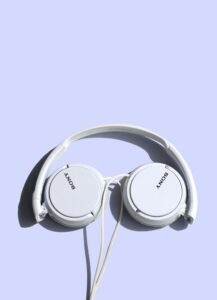
Write outer width, outer height, the inner opening, and thickness in millimeters, then look at the clip or the sleeve. A listing with one diameter can still be the wrong shape.
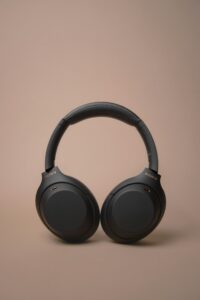
The extra cost is the slow settle around your jaw. It pays off when the fill is dense and thick enough to keep that seal. A memory label on soft foam is the same cushion with a new word.

Coated covers seal and peel. Velour sits softer and catches dust. Fabric breathes and shows dirt. Pick the cover for how you wear the headphones, after the mount matches.

When to replace ear pads: peeling covers, flat foam, a loose seal, smell that stays, or sore ears. One sign means the old pair is done. Swap both cups.