Lift the Ring Before You Pull the Cushion
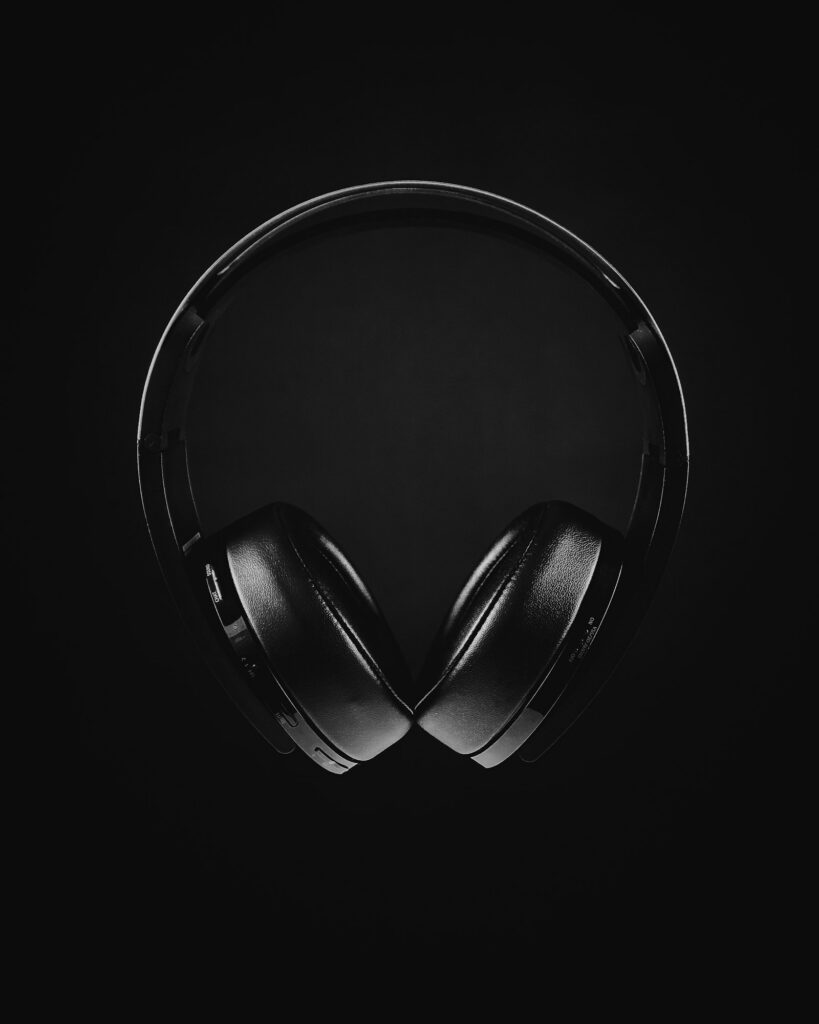
The soft part you want off the headphones is often the wrong thing to grab. Clip-on ear pads hang from a plastic ring, a harder foam loop, or a lip of material. The cloth or pleather is only attached to that ring. Pull the cushion and the stitches give up before the cup does. The ring stays behind, or the adhesive between pad and ring tears, and you have damaged the part you hoped to reuse.
An ear pad removal tool is any thin plastic edge you can spare. A guitar pick, a spudger, a worn loyalty card. The shape matters less than the fact that it is not a knife.
Find the hold before you pull
Turn one cup toward a lamp. You are looking for a seam between the pad and the headphone body.
- A narrow gap all the way around, with a harder edge inside it: a clip or a retaining ring
- Small notches you can feel with a fingernail: ear pads for notched cups
- A flap of material disappearing over the cup lip: a sleeve
- No gap, and the pad feels welded on: glue, or a ring that was glued and has already failed
The habit is to release the hard part so the cushion comes along with it. Yanking the soft face is how the pad tears and the mount stays on the cup.
Clips and rings
Put the plastic tool in the gap and lever the ring away from the cup a few millimeters. Hold that section with a finger so it cannot snap back. Move along the circle. The ring should pop free as a unit.
In February 2024, on Reddit, an HD 600 owner was watching the adhesive fail between the velour and the oval plastic circle that clips to the cup. The pads were a year and a half old. Tutorials made the removal look harmless, and the adhesive was already torn from earlier tries. A reply was specific. Reach under the lip and pull the plastic ring. Leave the pad itself alone. Pulling by the cushion is what rips the pad off that ring. Another owner, a few months later, confirmed it the hard way: the adhesive tore off the pad as soon as they pulled.
The same lesson showed up on a different headphone in November 2024. An HD 660 owner had spilled a plant on the cups and could start the left ring with a thumbnail, while the pad itself was tearing away from the plastic. One suggestion in the thread was a small flat screwdriver under the ring. It works for some people. It also leaves a white scar on black plastic if the tip slips. A plastic spudger for clip-on ear pads, used instead of a metal screwdriver, is the tool that survives a slip.
Razer BlackShark V2 owners ran into the identical tear in January 2025. The pads looked glued in a cleaning video, and the owner wondered if the headset was fake. The useful reply described a plastic bracket around the cushion. A small lever goes on that bracket. Pull the earpad and it separates from the bracket, and then you own a torn pad plus a ring that is still on the cup. Later that year someone else reported the opposite aging path: after a few years the pads fell off, and the remnants were glue, while the replacements for sale had hooks. Age can change what you find. Look at the cup in your hand, not at the video of a new pair.
If the stuck pair is a Razer, check Razer pads for that model after the old bracket is off in one piece. A hooked cushion will not replace a glued one just because the headset name matches.
Glue and a pad that shreds
Glued-on ear pad replacement starts with patience and a worse smell. Seven-year-old pads on an Audeze LCD-3, described on Reddit in January 2026, tore at the glue line and left the adhesive stuck to the cup. The owner was ready to trim the scraps with a razor and glue the new pads on top. The replies pushed the other direction. A blade digs into the cup. A plastic spudger lifts more of the pad than a credit card does. Scrape what will come up dry. Then a cloth dampened with isopropyl, rubbed, not flooded, takes the film. One person who had seen many of these cups warned that previous owners sometimes leave hot glue or silicone, and that rushing is how the driver gets a bath.
Keep the cup tilted so any liquid runs away from the speaker. Wood rings and painted plastic can haze if they sit wet. Test a corner. Soft replacement pads when glue is holding the old ones on go on only after the surface is dull and dry, not shiny with leftover tack.
Some replacements arrive with the cushion already mounted on a fresh ring. You swap that ring. Peel cloth off the old plate only if the plate itself cracked.
What “stuck” usually means
If a section will not move, something is still caught.
- A scrap of the old pad folded into the groove
- A notch you have not reached on the far side of the cup
- The pad is a sleeve and you are trying to unclip it
- The ring is oval and you are levering at the tight curve, where there is no gap
Replace ear pads without damaging the cups by stopping at the first rip in the cloth. That rip is information. Move your tool to the plastic. A plastic spudger for clip-on ear pads costs less than one torn cushion and a marked baffle.
When both rings are off, wipe the groove and set the old pads aside so you can compare their backs to the new listing. The removal was the risky half. Seating the new pair is the same motion in reverse, and it goes better on a cup you did not gouge.