Zipper Sleeves and a Real Headband Cushion
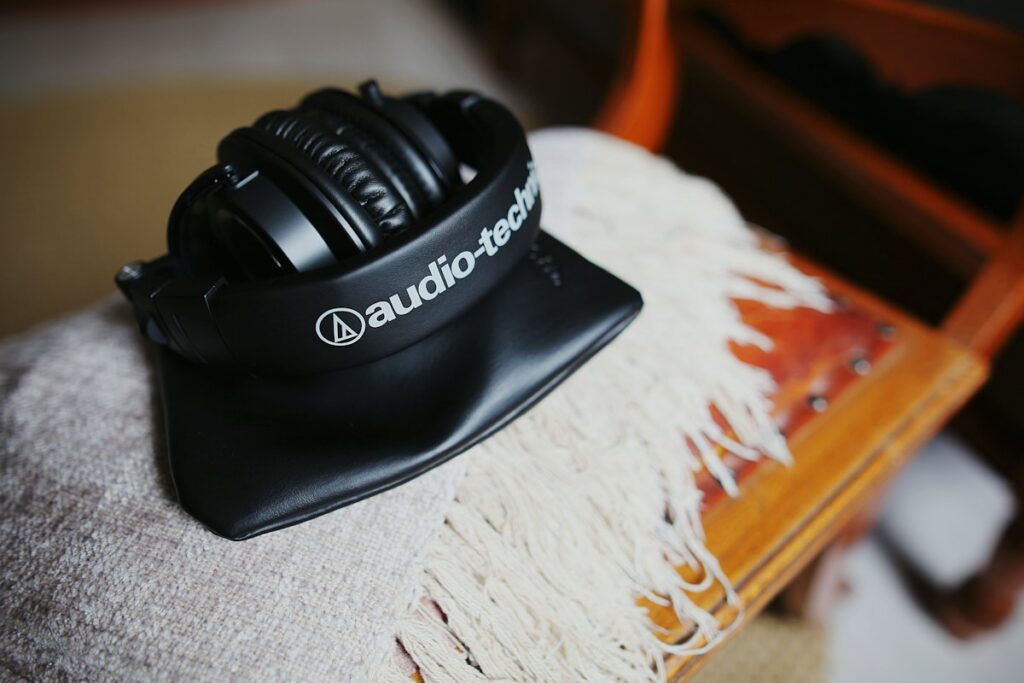
The strip along the top of the headphones flakes for the same reason the ear pads do. It is a coated cloth, it meets sweat and hair oil, and it flexes every time you take the pair off. A headphone headband cushion is the replaceable part. Sometimes it is a sleeve you zip over the damage. Sometimes it is the pad itself, snapped, slid, or glued to the band. The headphones can sound fine the entire time flakes are landing on your shirt.
Replacement headband pad shopping starts with the ends, not with a color.
What is actually loose
Look at both ends of the pad, where it meets the slider or the yoke.
- A separate sleeve with a zipper on the rear of the band: it was always a cover, and a new zipper headband pad slides on the same way
- Plastic caps or snaps you can pry: the cushion clamps on, and those caps are the mount
- Stitching that disappears into the band, or adhesive you can see at a lifted corner: glued or sewn, and it will not fall off in your hand
- Cracks in the plastic yoke under the pad: the cushion is the wrong project
A zipper headband cushion replacement is the least invasive fix, and it is what most people actually buy. In October 2024 an Audio-Technica ATH-M50x owner, nearly ten years into the pair, had already swapped the ear pads for memory foam and was still showered with headband flakes. The reply with the most agreement was simple. Get a sleeve that zippers closed. That person had done it on a V-Moda. The original poster came back in December and said an Amazon cover had stopped the mess.
Other replies in that thread took the coating off entirely and lived with the fabric underneath, or glued a strip of thin leather on with contact cement. One pointed at Audio-Technica’s own headband part and noted that installing it takes some soldering. That is a different object from a sleeve. The sleeve hides the flake. The service part replaces the band and asks you to handle wires.
If the flaking pair is an M50x, the sleeve-versus-part choice is the whole decision. Audio-Technica pads are the shelf for the cushions that clip. A headband assembly with wires in it is a later, slower job.
Length, width, and the curve
Headband cushion by size means two measurements and a look at the curve. Length follows the pad from end to end, along the outside, in a soft tape so you are measuring the cushion and not the air under the arch. Width is the pad across your head, edge to edge, at the middle. A cover cut much wider than the pad bunches up. A narrow cover leaves the flaking edges in the open.
Replacement headband pad by band length and width should also say whether the ends are square, tapered, or open so the slider can pass. Zipper headband replacement matched to the band width fails in a specific way: the zip closes, and the cover still creeps toward one yoke because it was cut long and skinny for a different arch.
Write the numbers down from the pad, not from a memory of the headphone’s prestige. A studio pair and a gaming headset can share a width and need different end hardware.
Snaps, glue, and the twenty-minute jobs
Snap-on headband cushion to replace a worn soft insert is the version with plastic ends you can see. Pry the cap with a plastic tool, slide the old insert out, and feed the new one until the caps seat. Plastic spudger to replace a removable headband cushion keeps the cap from cracking. A metal tip on that cap is how a ten-cent part becomes the reason the yoke rattles.
Glued headband pad if the old one is stuck to the band comes off the way a glued ear pad does. Lift a corner, work along, keep liquid off any opening in the band where a wire might live. Protein leather or velour headband pad with a glued fit needs a clean, dry strip and adhesive at the ends and the center, not a bath of glue that squeezes onto your hair.
In June 2025 a Corsair Virtuoso owner had the ear pads handled and was stuck on the top cushion after a little over two years. They did not want a new headset for a pad. One owner of the same family of headsets said they were on a third set of ear cups and about to do a headband cushion for the first time, and that headband options are scarcer than ear pads. Another had installed an aftermarket band, instructions included, in about twenty minutes. A few months later they no longer noticed it was a replacement. Headband cushion compatible with a removable headphone band mount is that kind of part: the time is in matching the ends, and the wear-in is quiet.
The same month, someone with a peeling Soundcore headband was told to replace the cushion if a spare exists, or to lift only the coating with something gentle like a soft brush and then wrap what remains. A different reply on that post matters more than the cosmetic trick. The plastic sliders on that pair had cracked in ordinary use. A new cushion on a cracked yoke still flops. Fix the structure, or accept that the pad is a cover on a broken hinge.
A Sennheiser HD 650 owner in that conversation had kept one pair more than ten years by replacing the headband pad and the ear pads together, and described the headphones as fine again. The drivers were never the tired part.
Which one to buy
Buy a headphone headband cushion when the flakes bother you and the yokes still hold the cups level. Choose the zipper sleeve if you do not want to open anything. Choose the snap-on or the glued strip when you can see that the original comes off and you have the length and the width.
Leave the soldering iron alone unless you already meant to replace a whole band with wires running through it. The sleeve is the ordinary repair. It looks like a cover because it is one, and it stops the coating from reaching your collar.