Pads and Cushions You Can Swap Without a Shop
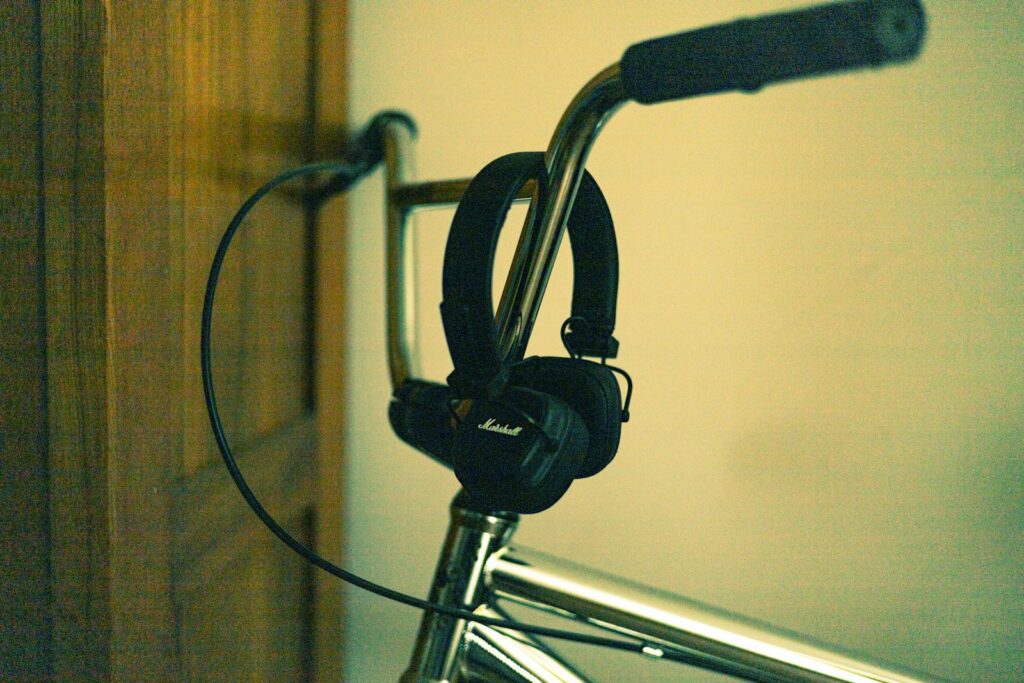
DIY headphone repair parts are the pieces that come off without opening a circuit. Ear pads. The headband cushion. A clip of decorative trim. Some yokes, if the screw you remove does not have a wire looped through it. The headphones get quieter, flakier, and looser in those spots long before a driver dies. Replacing the worn surface is the repair. Replacing the headphone is what you do after the cup is silent or the hinge has snapped around a cable.
People talk themselves into a full teardown because a video made the next step look like the same ten minutes. It is not.
The jobs that stay on the kitchen table
Replace ear pads with no soldering on almost every over-ear and on-ear pair. The mount is a clip, a sleeve, glue, or a plate. You need a plastic edge, a cloth, and a matched pair. Both cups. One fresh pad beside a dead one sits crooked.
The headband cushion is the other surface that sheds on your clothes. A zipper sleeve hides flakes. A snap-in strip or a glued cover replaces the pad itself. A service band with wires running through it, the kind an M50x owner was pointed toward in October 2024, was described in the same thread as a soldering job. Keep those two purchases separate.
| What failed | At the desk | Stop and rethink |
|---|---|---|
| Peeling or flat ear pads | New pads, same mount, both cups | A cup that stays silent after the pads are seated |
| Flaking headband cloth | Sleeve, snap-in cushion, or a glued strip | Plastic yokes that are cracked under the pad |
| Loose badge or non-wired trim | The tab or the screw you can see | A cover that has wires taped to its back |
| Squeak at a hinge with no wire in it | A snug screw, or a pivot that just needed a wipe | A tab that snapped and took the cable with it |
Where the wire starts
Some yokes come off with a screw and nothing else. They are pivots made of plastic. The test is visual. If a cable disappears into the hinge and comes out in the cup, that hinge is part of the circuit. Pulling it apart pulls the conductors.
The hinge tab on an ATH-M50 is the famous version of this. In May 2021 a reply on Reddit called that tab the usual break on the M50 and M50x. One path people take is a whole headband assembly. The same reply was clear that this path means soldering the driver wires on both sides. Printed replacement tabs exist too, and they still have to share the cup with those wires. A pad swap does not prepare you for that. The screws look friendly. The enamel-coated conductors under them are the actual job.
An AKG K371 owner wrote up a headband-cable repair that runs through the same wall. The hinges come apart, the cable has to be routed with slack so it is not tight when the sliders are extended, and the driver leads get soldered and checked before the cups close. They hoped the notes might help a K361 and said they had not tried that model. It is a patient afternoon for someone who already solders. It is a shop visit if the last thing you soldered was a junior-high kit, or nothing.
Spudger, tweezers, and a small screwdriver for small headphone parts will finish every row in the left column of that table. They will not finish a torn conductor. DIY headphone parts when you do not need to solder wires are the parts to keep buying. The iron can stay someone else’s.
A cracked yoke is not a cushion problem
In June 2025 a Soundcore owner asked what to do about a peeling headband after the ear cushions were already replaced. Alongside the cosmetic advice, one reply described side bands that had cracked in ordinary daily use. A new pad on that plastic does not hold the cup up. If the yoke is split, look for the structural part or for a shop that will replace the band. A peeling Soundcore still starts with a cushion matched to that model on Anker pads. The cushion does not hold a cracked slider together.
Headphone repair kit with mounts you can swap without soldering should say, on the listing, that no wire is included and none has to be cut. If the listing shows a cable, you have left the kitchen-table column.
What to attempt this weekend
Buy parts for DIY headphone repair in this order. The ear pads, if they flake, smell, or let your ear touch the driver. The headband cushion, if the top is the thing shedding. The trim piece you can see a tab on. Then stop and play music. Both sides, a song you know, at a normal volume.
Replacement ear pads and a headband pad, with no repair shop, give an old pair another few years when the drivers and the cable were never the complaint. A dead side, a crunch in one ear, or a cup that hangs by a wire is the pile for someone with a solder station. The headphones are allowed to be worth repairing and still be the wrong project for a Saturday.