Sony WH-1000XM4 Replacement Ear Pads: Check the Left Cup First
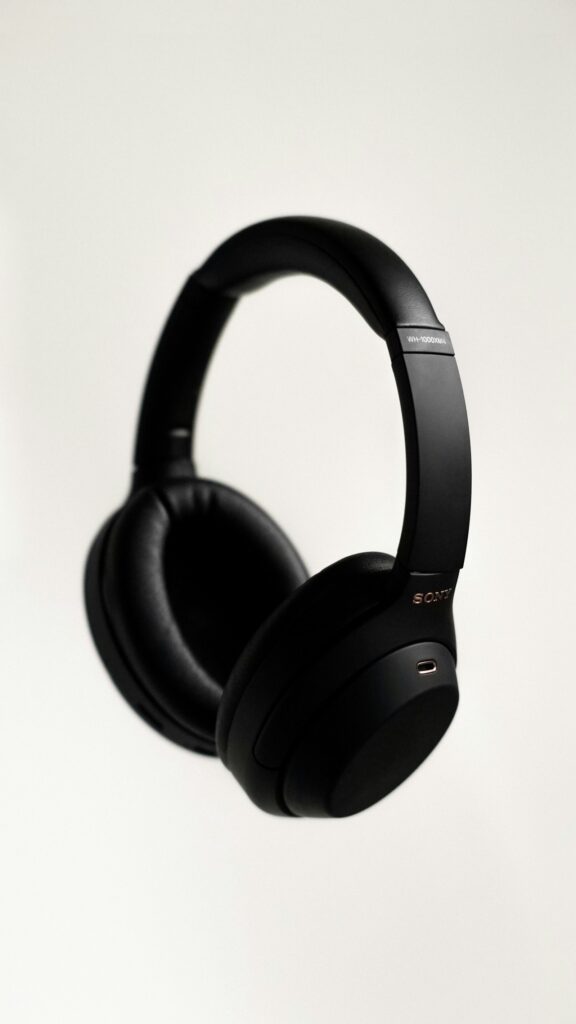
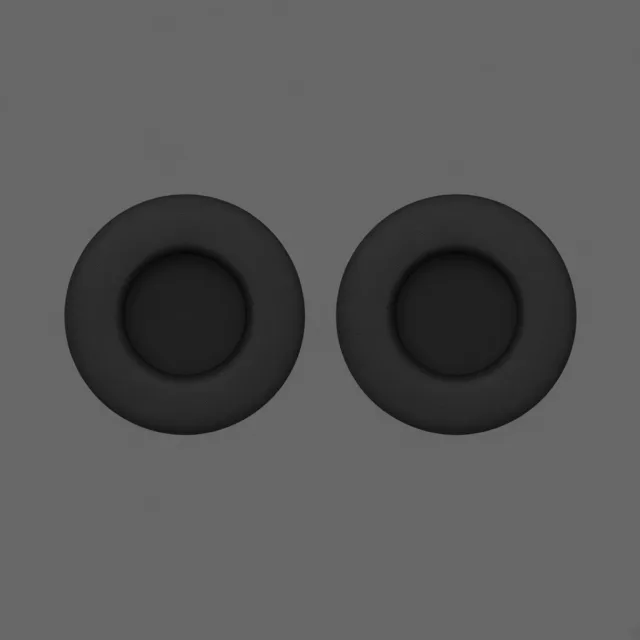
Sony WH-1000XM4 ear pads come off, and that fact is where people get casual. The cups look like a matched pair. Listings shoot them that way, two round black cushions in one bag. Sony put a wear sensor in the left cup, and the pad on that side has a small opening for it, a short spout with a seal on the back of the cushion. Cover the opening, or buy a pair that was molded without one, and the headphones can keep playing after you set them on the desk. Compatible XM4 ear pads clip onto this model and leave that sensor a clear line of sight.
Leather versus cloth can wait. So can any claim about deeper bass.
The left pad is its own part
Genuine Sony WH-1000XM4 ear pads are built as a left and a right. The service manual lists them as separate assemblies, in black, silver, and blue. The left assembly is the one with the sensor opening. A bag of two identical cushions has already dropped the piece that lets the headphones notice they left your head.
Owners bumped into this in the first year the model was out, usually while trying to reuse a pad they already had. In November 2020 someone who owned both an XM3 and an XM4 moved a cushion from the older pair onto the newer one. The hooks sit in different places. The XM3 pad stayed loose on the XM4 cup. The same week, another owner traced it to the wear sensor as well: XM3 pads miss the hook layout, and they have no hole for the left cup. In February 2021 a reply put it in plain language. The left XM4 pad is the cushion with the sensor opening. The right pad can match it in foam and color and still be the wrong spare.
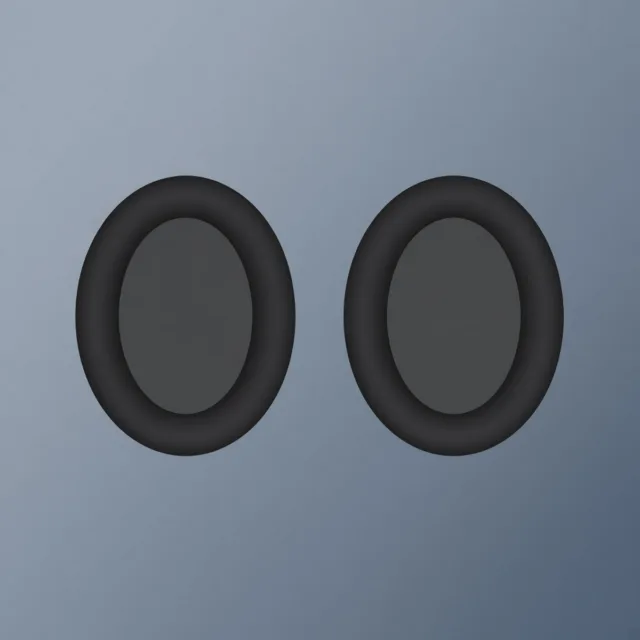
XM5 cushions are the other swap people attempt. Those cups are oval. An XM4 cup is round. A listing that offers one pad for the XM4 and the XM5 is selling a shape that has to pick a headphone, and on this one the shape is round.
What to read before you buy WH-1000XM4 ear pads
An XM4 ear pad replacement is a clip-on part. The old cushion lets go around the ring. The new one has to meet the same hooks. A box that says "for Sony" has named the brand. The listing still has to name this model.
If the pair on the desk is the XM4, start in Sony ear pads and stay with the page that says WH-1000XM4. When you buy WH-1000XM4 ear pads, three lines matter more than the star rating:
- The model is written out as WH-1000XM4
- The mount is this generation's clip
- The left cushion shows an opening, or a short spout, for the wear sensor
A WH-1000XM4 ear pad kit earns the order when those three are on the page. Color is the next line. Most of these headphones are black. Silver and blue were sold too, and a black cushion on a silver headband shows every time you take them off.
| On the listing | Belongs on an XM4 | Leave it for another model |
|---|---|---|
| Model | WH-1000XM4, written out | "Sony over-ear," or one pad sold for the XM3 and the XM4 |
| Shape | Round | Oval, which is the XM5 |
| Left cushion | A hole or a short spout for the sensor | Two identical pads, opening never mentioned |
| Mount | Clips that match the XM4 hooks | Glue, a stretch sleeve, or the word universal |
| Sides | Left and right marked | One photo and no side called out |
Sony WH-1000XM4 replacement pads come from Sony and from other makers. OEM or clip-on aftermarket ear pads for Sony WH-1000XM4 can both be the right buy. Look for compatible WH-1000XM4 ear pads with the clip mount checked, and for a left opening you can see in the photos. That is what compatible ear pads for Sony WH-1000XM4 means on a product page. Round and black, on its own, has fooled people before.
Leather, velour, and the sets people actually kept
The factory cover is protein leather over foam. It seals. A dry cloth takes fingerprints off. Then the coating splits, which sweat and a few years of daily wear will do on this model the way they do on plenty of other coated pads. In November 2024 an owner posted cushions that had gone rough. The reply that stuck was about the cover: stay with protein leather if you want the sound to remain in the neighborhood of what you have.
That is the ordinary good pair. Sony WH-1000XM4 memory foam ear pads in protein leather, a black protein leather replacement pair for Sony WH-1000XM4, are what most of these headphones wore on day one. WH-1000XM4 protein leather ear pads with soft foam are the stock build: a coated cover, and a fill that gives under the clamp. Velour ear pads for Sony WH-1000XM4 for long wear are the other habit, for a commute that leaves the leather hot and your ears damp. Cloth breathes. It also holds dust, and the seal usually sits a little looser, so more of the room comes through.
Aftermarket ear pads for WH-1000XM4 are where the reports go in different directions.
In October 2025 a heavy listener, on these headphones twelve to sixteen hours a day, wrote that they had been through four replacements. Every set gave up some noise cancelling. A thick Wicked Cushions pair started peeling at about three months and took the biggest share of that loss. The pads that looked closest to the originals, plain generic ones, behaved better. They still wanted genuine cushions if they could find them. Someone else in that thread liked Dekoni on the ear and still heard a small drop in cancelling.
A May 2022 owner of Dekoni's choice leather had the kinder version of the same swap. The driver mesh stopped meeting their ear, and they heard no major loss in noise cancelling. The longer January 2021 write-up of the first Dekoni XM4 pads is the one worth sitting with before you pay a premium. That buyer called the pads at least half again as deep as stock. The case still closed. They liked the sound more open and thought the cancelling held. Then they took the headphones off and the track kept going. Inner fabric was lying over the sensor. Dekoni's support already knew the opening was the issue and offered a refund or a later pair with the hole cut cleanly.
OEM or aftermarket black ear pads for WH-1000XM4 are a comfort pick after that hole shows up in the photos or the description. Deep foam with the sensor covered is a different headphone than the one you were trying to keep.
Thickness, and the cancelling you notice on the train
Thick and thin ear pads for a tighter XM4 seal come after the mount is settled, and only as compatible pads for WH-1000XM4 with the same mount. Thicker than stock ear pads for WH-1000XM4 noise isolation can close a gap, including the little leak a glasses temple opens along the side of your head. They also move the driver farther from your ear. A flattened stock pad leaks because the foam gave up. A new thick pad leaks, when it leaks, because the foam is still stiff or the inner opening is the wrong size for your ear.
| Pad | What you feel | What owners ran into |
|---|---|---|
| Stock-depth protein leather | The seal you remember, with little spare room | Coating flakes over the years. Some ears meet the driver mesh. |
| Thicker memory foam, still protein leather | More space around the ear | Cancelling softer until the foam breaks in. One thick set peeled within months of all-day wear. |
| Velour or suede | Cooler across a long session | Easier on the ear. Isolation often a step down. |
The January 2021 buyer was done after about an hour on the stock pads. The cushion collapsed under the clamp, and a spot on the driver pressed the ear. Extra depth fixed that for them. The all-day listener in 2025 found that extra depth was where the noise cancelling fell off. A different person in the early thread wears XM4s all day with glasses and never went looking for a thicker pad. Head shape does a lot of this work. An ear that keeps meeting the mesh is the moment thickness is worth trying. Flakes on your cheek, with a seal that still holds, point back to a stock-depth protein leather pair.
Seating the clip so the sensor still sees you
Plan on twenty minutes and a table you can actually see. One cup at a time.
- Find the edge where the cushion meets the plastic and release the clips as you work around the ring. A thumbnail starts a pad that is still soft. A plastic spudger is the right tool once the old ring has stiffened. A metal tip on the cup leaves a scratch you will find later with a fingertip.
- Wipe the ring. Skin oil, or a flake of old coating in the groove, holds the new pad off its seat.
- On the left cup, find the sensor and set the pad's opening over it before the clips lock in. The spout has an up and a down. An opening aimed at the hinge, or hidden under the inner cloth, has already lost wear detection.
- Follow the clips the rest of the way around until the ring sits even. A light tug should meet resistance the whole way. A section that lifts missed its hook.
- Do the right cup. That pad has no sensor opening. It still has to be the right-side cushion for this model.
- Play a song you know, with wear detection turned on, then lift the headphones off. Playback pauses when the sensor can see daylight. If the track continues, reseat the left pad and listen after that.
Use both cushions from the same pair. A new left pad beside a three-year-old right pad sits at two heights, and the seal goes crooked.
A cushion repairs the cushion
Flakes, a smell that has moved into the foam, a seal that went flat, an ear tired of the mesh. Those live in the pads. A quiet cup, a crunch in one driver, a hinge that cracked while the cable was still running through it, those live further in. Noise cancelling that quit while the old pads still sealed is the electronics. Fresh foam leaves that fault where it was.
The last check is dull, which is how you want it. A song you know, in a room you know. The music pauses when the headphones come off, and the bass sits about where it used to. Then the part was the right one. If one side sounds thin, or the track ignores you when you lift them off, go back to the left cup before you decide the drivers are finished. XM3 cushions and XM5 cushions belong on the headphones they were cut for.